OpenAI has announced a partnership with the Maltese government to provide access to ChatGPT Plus for all citizens for one year, funded by the state.
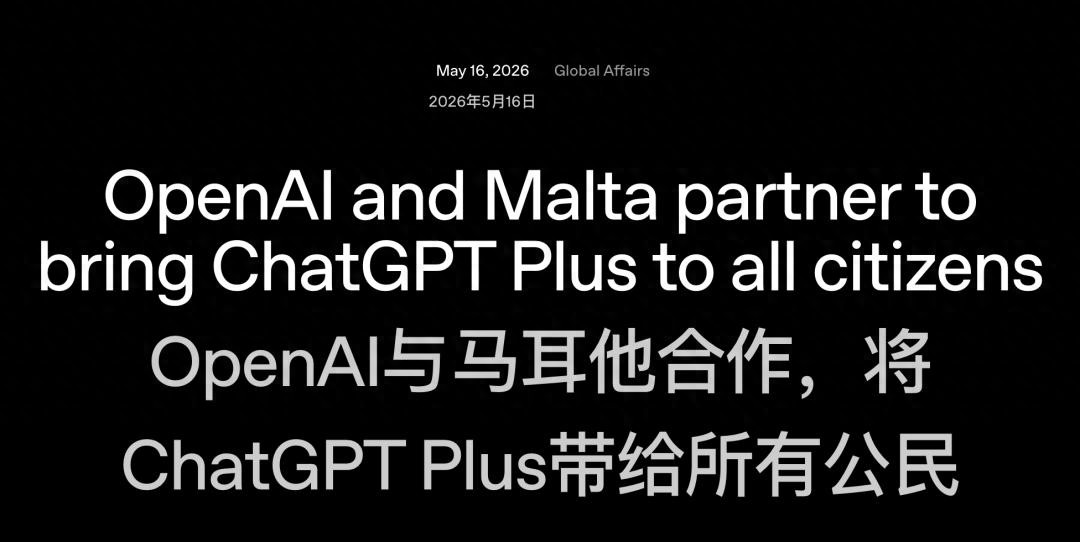
This is the world’s first nationwide AI tool accessibility program.
Education First, Then AI
Malta’s plan includes a prerequisite: citizens must complete an AI literacy course developed by the University of Malta, covering the basic principles of AI, its capabilities, and responsible usage in home and work contexts.
Only after completing the course can citizens qualify for one year of free access to ChatGPT Plus.
The first users will start accessing the service in May, distributed by the Malta Digital Innovation Authority, with plans to gradually include Maltese citizens living abroad.

This “education first, then tools” approach is noteworthy.
Most countries’ AI policies remain at the regulatory level—enacting laws, establishing ethics committees, and limiting data usage. Malta directly hands tools to citizens but ensures they know how to use them first.
What Does OpenAI Aim For?
On the surface, this appears to be a subscription revenue opportunity.
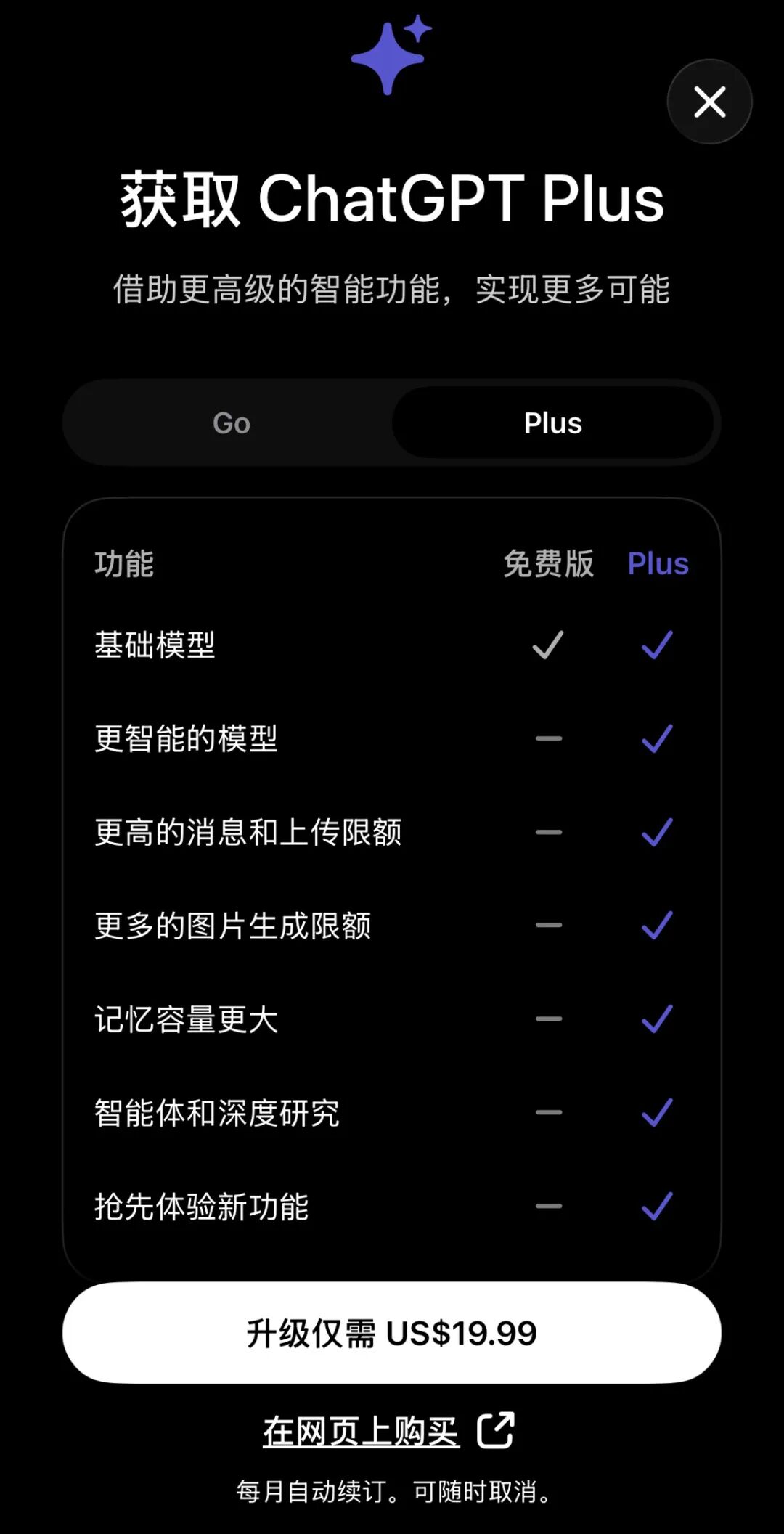
With a population of 574,300, if every citizen subscribed to ChatGPT Plus at $20 per month, the annual total cost would be about $130 million—not a significant amount for OpenAI. The real return lies elsewhere.
Firstly, user scale.
Sam Altman frequently likens intelligence to electricity, and OpenAI’s blog reiterated the term “global utility” in this announcement.
The business logic of utilities is that scale determines everything.
ChatGPT currently has over 900 million weekly active users, but flagship closed-source models like Claude, Gemini, and Grok, along with various open-source models, are rapidly diverting market share.
Acquiring users through government channels is an efficient way to capture user minds.
A person who has never used AI is likely to choose the first tool they encounter as their long-term option.
Secondly, the data flywheel.
More users mean more real-world interaction data, which directly feeds back into model training and product iteration.
Every question asked, every correction made, and every usage scenario on ChatGPT helps OpenAI understand the distribution of human needs.
For a company aiming for AGI and ASI as long-term goals, the value of data diversity is immense.
The questioning patterns from Maltese teachers, fishermen, and civil servants differ significantly from those of Silicon Valley engineers—this is the training signal needed for models to become general-purpose.
Thirdly, the demonstration effect.
When OpenAI seeks to promote collaboration with more countries, saying, “We have helped multiple countries achieve nationwide AI accessibility” serves as the most persuasive reference.
Malta serves as a model, with the real target clients being medium-sized countries still observing.
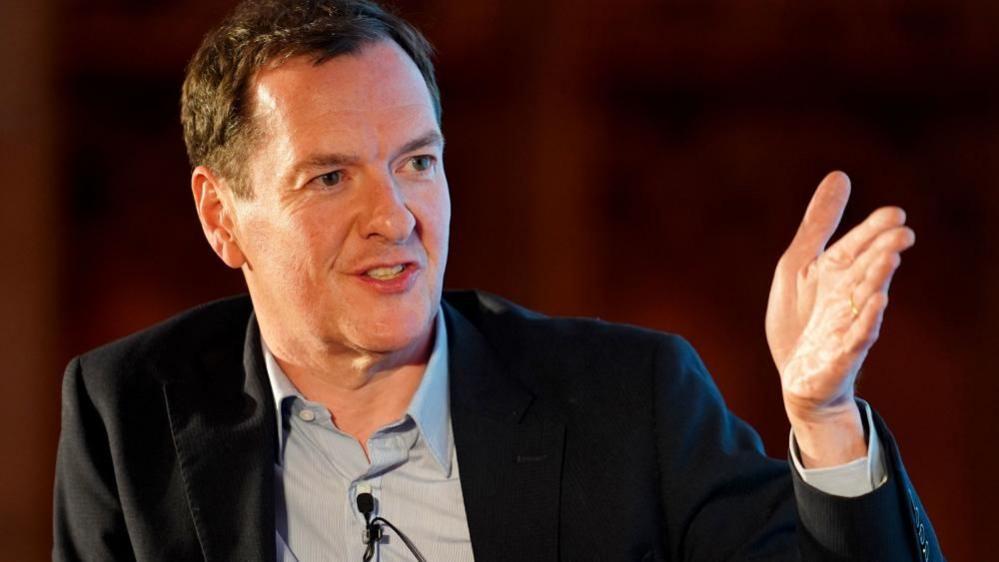
George Osborne, former UK Chancellor and current head of OpenAI for Countries, stated, “Intelligence is becoming a national utility… Malta is leading the way, and we hope other countries will follow.”
Which Scale of Country Can Replicate This?
The financial feasibility of Malta’s plan heavily relies on population size.
A rough calculation: at $240 per person per year for ChatGPT Plus, the total cost for full coverage in a country with 1 million people would be about $240 million, for 5 million people about $1.2 billion, and for 10 million people nearly $2.4 billion.
In reality, not everyone will complete the course and activate their accounts.
Assuming an activation rate of 30%-50%, countries with populations under 5 million—such as Estonia (1.363 million), Singapore (6.11 million), Luxembourg (682,000), and Iceland (392,000)—could financially absorb this expenditure.
OpenAI is already advancing educational system collaborations in Estonia and Greece, making these countries the most likely to follow suit.
For countries with populations in the tens of millions, the government-funded model faces significant budget pressures.
Take Portugal (11 million population) as an example; even with a 30% activation rate, the annual cost would be nearly $800 million—requiring extensive public discussion and justification for a GDP of about $290 billion.
In larger economies, like India with 1.46 billion people, even covering just 10% would mean an annual expenditure exceeding $35 billion.
This figure surpasses India’s entire education budget for the fiscal year 2026-2027 (approximately $16.8 billion).
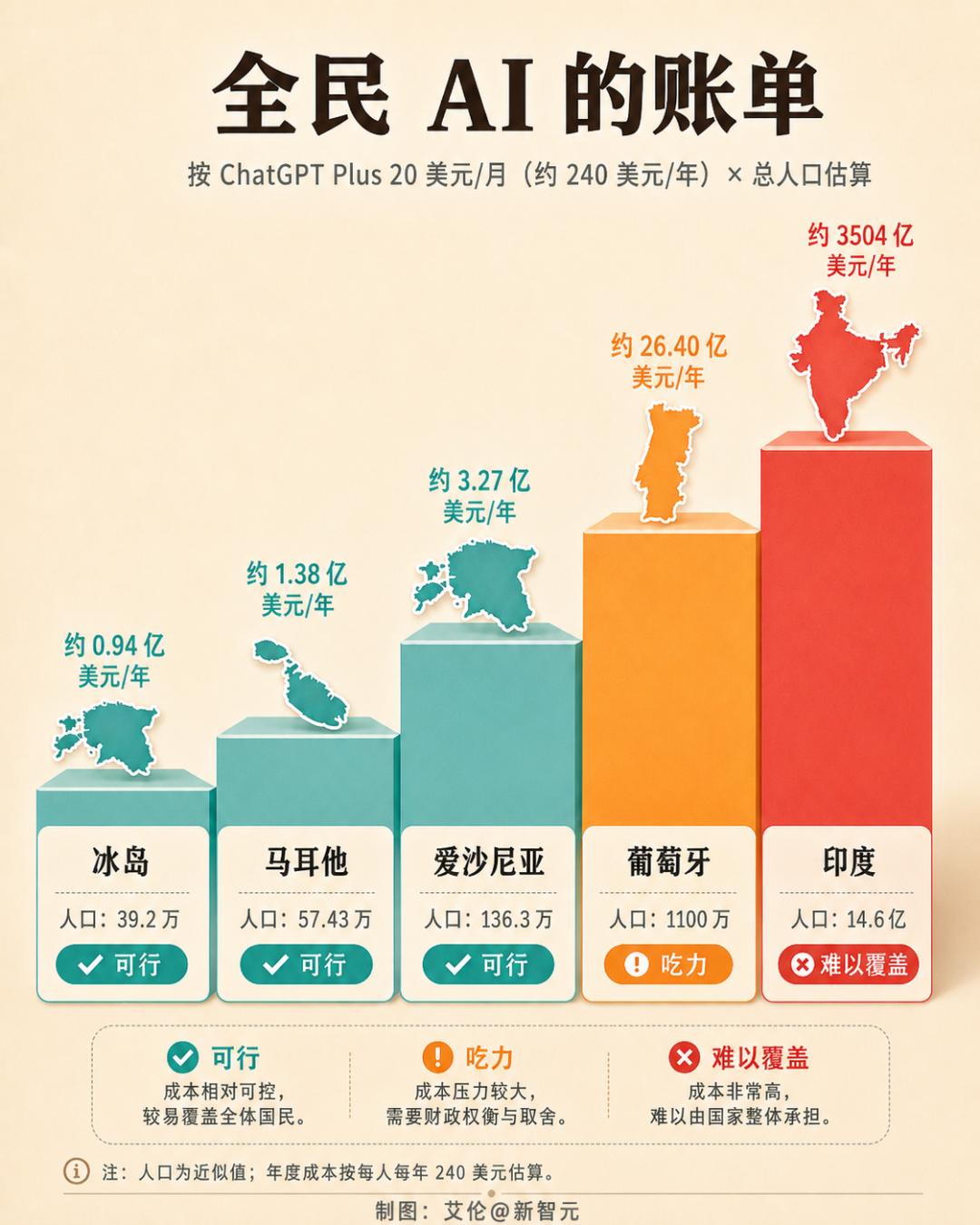
For populous nations, the path of “government pays, nationwide coverage” is financially challenging; a more realistic approach may involve government subsidies for specific groups (teachers, civil servants, university students, etc.) or negotiating significantly discounted national licensing agreements with AI companies.
A Competition of ‘Who Lays the Infrastructure First’
The deeper logic of the Malta project resembles the story of countries laying down electrical and telephone networks over a century ago: once infrastructure is established, the cost for later entrants to replace it is extremely high.
OpenAI’s strategy is that when AI becomes a daily foundational tool, the platform that first covers users will gain OS-level stickiness.
The real question this experiment seeks to answer is: Is the bottleneck for AI accessibility the availability of tools or the capability to use them?
If many Maltese citizens abandon usage after completing the course, it indicates a lack of demand scenarios;
If usage rates continue to rise, OpenAI has a compelling case to promote to more countries.
For those interested in this field, one metric is worth tracking: the monthly active retention rate six months after the Malta project launches.
This number will determine whether “the state pays for nationwide AI” is a replicable public service innovation or merely an expensive marketing campaign.
Comments
Discussion is powered by Giscus (GitHub Discussions). Add
repo,repoID,category, andcategoryIDunder[params.comments.giscus]inhugo.tomlusing the values from the Giscus setup tool.